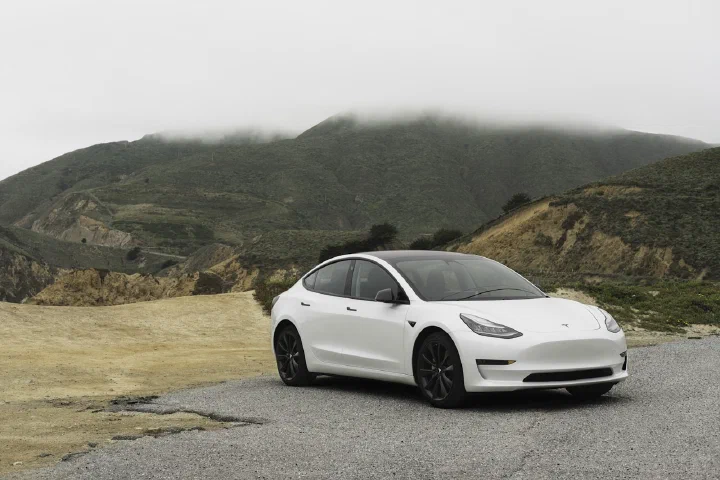
In the first quarter of 2026, something historic happened: BYD sold more electric vehicles than Tesla for the first time ever. BYD moved 415,000 EVs in Q1 2026 versus Tesla’s 387,000. The gap widened further in Q2.
Tesla’s weakness isn’t innovation. It’s economics. While Elon Musk’s company prices premium, BYD undercuts aggressively with cars like the Seagull (priced at $10,000 in China) and the Atto 3 ($20,000).
The BYD Seal (roughly $25,000) regularly beats Tesla Model 3 in range, charging speed, and interior quality in independent tests. The Dolphin mini-EV has waiting lists stretching months in Southeast Asia.
Tesla reported declining year-over-year sales for the second consecutive year. The reasons:
- Price paradox: Tesla raised prices during 2022-2023 to protect margins, then was forced to cut aggressively
- Model lineup aging: Model 3 and Model Y face fresher competition
- FSD is still “full self-driving” in marketing, “advanced driver assist” in reality
- China competition: BYD now competes in Thailand, Australia, Brazil, and parts of Europe
Tesla is banned from several Chinese government and corporate procurement lists due to US-China tensions. BYD fills that vacuum. In Thailand — Tesla entered in 2021 and pulled back. BYD entered in 2022 and now holds roughly 30% of Thailand’s EV market.
The crown has passed from the American visionary to the Chinese industrialist. The new king builds its batteries in-house, sells cars most people can actually afford, and apparently doesn’t need a CEO who tweets.