The Auntie With the Kenwood
In my neighborhood in Pathumthani, there’s an auntie who has been selling coffee from a cart for 22 years. She uses a Kenwood kettle, hand-ground beans from a local roaster in Chiang Mai, and serves it in tall glass with ice. No pour-over technique, no single-origin declaration, no 40-step menu. It costs 35 baht.
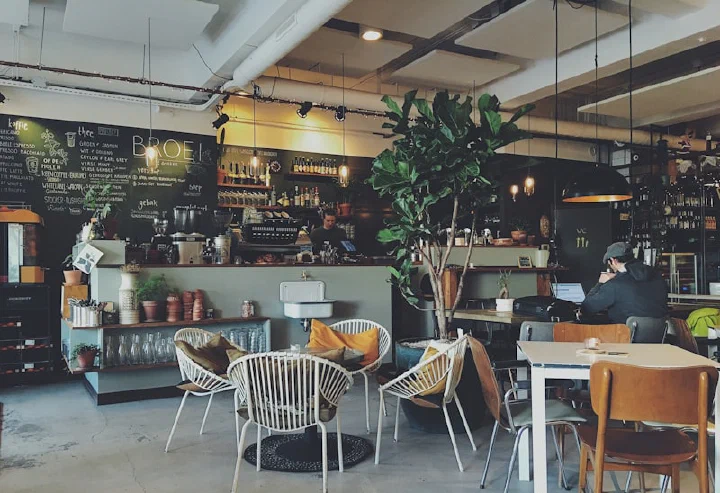
That cup of coffee is, objectively, better than half the specialty coffee I paid 180 baht for in a sleek Bangkok cafe with exposed brick and a barista who uses a scale to the decimal point.
Thailand’s coffee scene in 2026 is this strange collision of hyper-sophisticated specialty culture and deeply embedded street wisdom. Both are getting better. Neither is winning.
The Street Cart Is Having a Moment
Here’s what’s happening in 2026: the traditional Thai coffee cart — the kind with the tall glass, the sweetened condensed milk, the robusta brew that’s been the backbone of Thai coffee culture for decades — is experiencing a quiet renaissance.
Young Thai baristas who trained on V60 and La Marzocco are going back to their grandparents’ carts. They’re keeping the format (tall glass, ice, robusta) but upgrading the beans. The result is something that Thailand does better than anyone: a coffee drink that is both deeply local and genuinely excellent.
Roots Coffee in Bangkok started this wave in 2029. By 2026, it’s everywhere. The best versions are in provincial towns, made by people who never left.
The Bangkok Specialty Scene: More Mature, Less Exciting
Bangkok’s specialty coffee scene matured significantly in 2024-2025. The third-wave cafes that opened in 2019-2022 have been joined by more serious operations focused on education, roasting, and quality control. Places like Blue Corner, Coffee Beans & Tea Leaves (the local chain, not the franchise), and a dozen new entrants are doing work that would hold up in Melbourne or Copenhagen.
The problem: everything is expensive. A good pour-over in Bangkok’s specialty cafes runs 150-220 baht. A bag of locally roasted single-origin beans starts at 450 baht. For context, a full meal at a good street food cart costs 40-60 baht.
The value gap between specialty and street is real, and it creates an interesting dynamic. Locals who appreciate quality drink both. Expats often only drink specialty. The cart aunties look at everyone and quietly make their money.
Where the Best Coffee Actually Lives
After two years of exploring Thai coffee seriously, here’s what I’ve learned:
Chiang Mai is still the epicenter. The altitude, the weather, and the proximity to Myanmar-origin beans create ideal growing and drinking conditions. The roasters here are serious. Doi Chang, Doi Inthanon — these aren’t just labels, they’re regional identities with distinct profiles.
Pattaya has been quietly developing a scene, driven by retired European residents who brought expectations with them. The cafes near Walking Street (ironically, far from the tourist chaos) serve excellent coffee at prices that haven’t been Bangkok-adjusted yet.
The South is underrated. Phuket, Krabi, Koh Samui — the island cafes are producing some of Thailand’s most interesting blends, combining local robusta with imported arabica in ways that reflect the multicultural nature of these regions.
The Robusta Question
Thailand grows mostly robusta. Until recently, this was considered a limitation. The specialty world wanted arabica, and robusta was the cheap commodity coffee your auntie used.
In 2026, robusta is having its redemption arc. Thai robusta — particularly from the northern regions — has been recognized for its unique profile: lower acidity, full body, and a sweetness that makes it ideal for the Thai iced coffee format. The same properties that made it “inferior” for espresso-based drinks make it exceptional for the way Thais actually drink coffee.
The best Thai coffee experience I’ve had in 2026 was a robusta pour-over at a cart in Phrae province. It cost 30 baht. The barista had been making coffee for 30 years and had just started learning about extraction ratios last month because her nephew showed her a YouTube video.
That collision — decades of intuition meeting modern technique — is where Thai coffee actually lives.
Footnote: If you visit Bangkok and want the real experience, skip the Instagram cafes. Go to Or Tor Kor Market at 6am, find the coffee vendor near the entrance, and drink what the vendors drink.